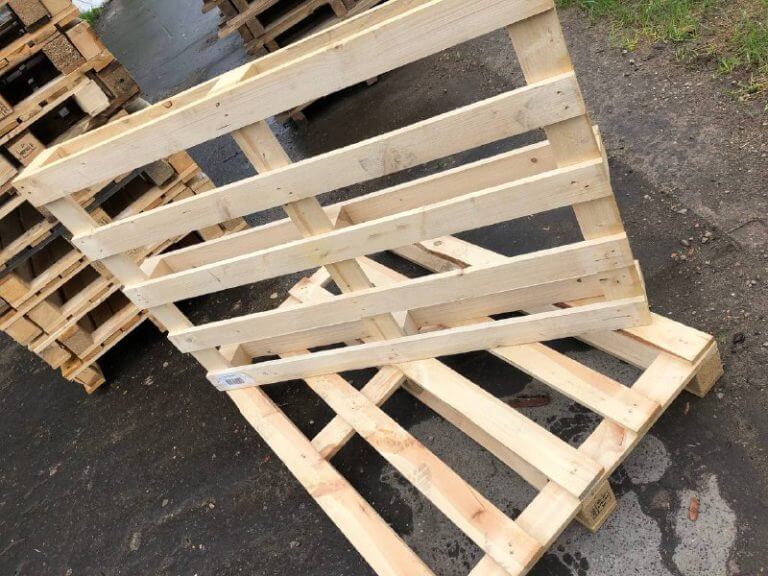
The Top Industrial Wooden Pallets It's What Gurus Do Three Things


The Essential Role of Industrial Wooden Pallets in Modern Logistics
In the world of logistics and supply chain management, the importance of effective, resilient, and economical storage and transportation services can not be overemphasized. One product that has stood the test of time and remains a cornerstone in this industry is the wooden pallet. Regardless of the increase of numerous products for pallets, wooden pallets continue to dominate, thanks to their unique mix of sustainability, strength, and versatility. This post will delve deep into the world of industrial wooden pallets, exploring their advantages, requirements, and some common concerns.
Comprehending Industrial Wooden Pallets
What Are Wooden Pallets?
Wooden pallets are flat transportation structures that support items in a stable style while being raised by forklifts, pallet jacks, or other jacking devices. They are generally made from different kinds of wood, such as pine, plywood, or wood, and are essential in warehousing and shipping.
Typical Types of Wooden Pallets
| Type | Description | Common Uses |
|---|---|---|
| Stringer Pallet | A basic design with 3 long pieces of wood (stringers) that support the deck. | General shipping and storage. |
| Block Pallet | Functions four-way entry with blocks at each corner for additional support. | Heavy-duty loads, automotive parts. |
| Double-Face Pallet | Both sides can be used for stability and load circulation. | Multi-directional shipping. |
| Custom-made Pallet | Customized designs to fit specific items. | Specialized production and shipping. |
Benefits of Using Wooden Pallets
1. Sustainability
Wooden pallets are a renewable resource. When sourced properly, they can be an eco-friendly option. Numerous makers comply with sustainable forestry practices, making sure a minimized carbon footprint.
2. Cost-Effectiveness
Compared to other products like plastic or metal, wooden pallets are typically more affordable. The initial investment is lower, making them a preferred option for little and medium organizations.
3. Strength and Durability
Wooden pallets are well-known for their strength. They can support substantial weights, making them appropriate for transferring heavy items without breaking down.
4. Easy Repairability
Unlike plastic or metal pallets, which can be costly to fix or change, wooden pallets can often be quickly fixed. read more damaged board can be replaced with minimal effort and cost, extending the life of the pallet.
5. Adaptability
Wooden pallets are incredibly flexible, accommodating a vast array of products across numerous industries such as farming, retail, and automobile.
Picking the Right Wooden Pallet
When picking a wooden pallet, numerous factors should be taken into account:
Load Capacity
Understanding the weight and size of the items to be transferred is crucial. Various pallet types have numerous weight limitations.
Pallet Size
Requirement pallet sizes include the 48x40 inch (most typical in North America), 1200x800 mm (ISO standard), and many custom measurements. The size must align with the storage area and shipping requirements.
Ecological Considerations
Choose pallets that are accredited by companies such as the Forest Stewardship Council (FSC) to guarantee they come from sustainable sources.
Finish and Treatment
Some pallets undergo heat treatment or chemical treatment to get rid of bugs and make sure compliance with worldwide shipping standards. Make sure to pick treated pallets if you're shipping worldwide.
Use Scenario
Recognize whether the pallet will be recycled or if it's a one-time use. This will assist figure out the suitable pallet type and treatment.
FAQs About Industrial Wooden Pallets
Q1: How long do wooden pallets last?
A: The lifespan of wooden pallets can vary depending upon their use, maintenance, and the conditions they're exposed to. Usually, they can last anywhere from 5 to 15 years.
Q2: Can wooden pallets be reused?
A: Yes, wooden pallets can be recycled numerous times if they are preserved effectively and not harmed throughout transportation.
Q3: Are there any policies for wooden pallets?
A: Yes, some areas have regulations concerning the treatment of wooden pallets for international shipping to prevent pest problem. The ISPM 15 standard requireds treatment of wooden pallets used in global trade.
Q4: How do I dispose of wooden pallets?
A: Wooden pallets can frequently be repurposed, recycled, or composted. Lots of business also provide pallet recycling programs, which can be an eco-friendly disposal option.
Q5: Are there differences between softwood and hardwood pallets?
A: Yes, wood pallets are normally more durable and can manage much heavier loads than softwood pallets, which are lighter and often more economical. The choice in between the 2 depends on the particular needs of the company.
Industrial wooden pallets are an important component in the global supply chain and logistics sectors. Their affordability, resilience, and reusability make them a go-to option for services of all sizes. As the need for environmentally conscious practices grows, choosing sustainably sourced wooden pallets not only provides an one-upmanship however also contributes favorably to the planet.
In conclusion, comprehending the different types, advantages, and upkeep of wooden pallets will empower businesses to make educated decisions that align with their logistical requirements and sustainability goals. As industries continue to progress, wooden pallets will remain an important aspect in efficient supply chain management.